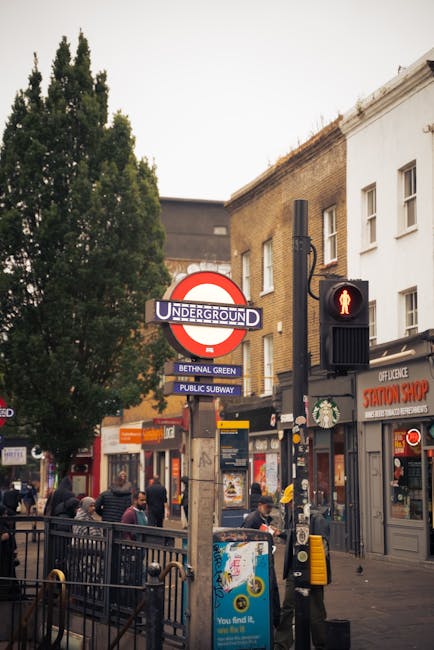
Best gardeners for Cambridge Heath Road Bethnal Green
If you live or work along Cambridge Heath Road, you already know the garden reality around Bethnal Green can be a bit of a mixed bag. Some spaces are compact and shaded, some are awkwardly shaped, and others need steady upkeep just to stay tidy. Finding the best gardeners for Cambridge Heath Road Bethnal Green is really about more than booking someone with a mower. It's about choosing a local team that understands small urban gardens, access issues, seasonal growth, and the practical realities of London properties.
This guide walks you through what good gardening service looks like in this part of East London, how to judge value, which services matter most, and what to ask before you book. Whether you need routine upkeep, a one-off clear-up, hedge work, or a more complete garden refresh, the right approach can save time, reduce stress, and make the whole space feel usable again. And honestly, that matters more than people admit.
For an overview of the wider service range, it can help to start with the services overview, then narrow down to the jobs your garden actually needs.
Table of Contents
- Why Best gardeners for Cambridge Heath Road Bethnal Green Matters
- How Best gardeners for Cambridge Heath Road Bethnal Green Works
- Key Benefits and Practical Advantages
- Who This Is For and When It Makes Sense
- Step-by-Step Guidance
- Expert Tips for Better Results
- Common Mistakes to Avoid
- Tools, Resources and Recommendations
- Law, Compliance, Standards, or Best Practice
- Options, Methods, or Comparison Table
- Case Study or Real-World Example
- Practical Checklist
- Conclusion
- Frequently Asked Questions
Why Best gardeners for Cambridge Heath Road Bethnal Green Matters
Gardens in this part of Bethnal Green often sit at the edge of practical and pretty. Space is valuable. Light can be patchy. Boundaries get tight. A small front patch, a narrow rear yard, or a shared access garden can become messy surprisingly fast, especially after wet weather or a burst of spring growth. So choosing the best gardeners for Cambridge Heath Road Bethnal Green matters because the work needs to be efficient, careful, and tailored to urban conditions.
That's where local awareness counts. A good gardener will notice what grows well in shade, what gets congested quickly, and which tasks need regular attention rather than a dramatic one-off rescue. They should also understand how to work neatly around residents, parked cars, shared pathways, and the general stop-start rhythm of a busy London road. It sounds simple. It often isn't.
There's also the trust side of it. If someone is going to be trimming, clearing, mowing, or reshaping the outdoor space around your property, you want a team that communicates clearly and leaves things clean. No one wants half-finished piles of cuttings sitting in the corner for three days, or that odd sense that the job was done in a rush. You can usually spot good gardeners by the small things first.
Expert summary: the best local gardeners are not just the ones who can do the work; they are the ones who can do it neatly, consistently, and with enough judgement to know what your garden needs next.
How Best gardeners for Cambridge Heath Road Bethnal Green Works
At a practical level, hiring a gardener usually starts with a walk-through or a clear description of the space. For local properties, that often means explaining the size of the garden, whether there is rear access, whether the job is regular or one-off, and which parts are giving you trouble. A tidy grass patch and a lightly overgrown hedge are very different from a full garden clearance, after all.
From there, the gardener should identify the best service path. For example, a garden that just needs regular upkeep may benefit from garden maintenance, while a garden that has become cluttered or neglected may need garden clearance first. If the lawn is the main issue, lawn mowing may be the most efficient starting point. If hedges are blocking light or spilling into walkways, hedge trimming could make an immediate difference.
The best services are usually built around a simple rhythm: assess, prioritise, complete, tidy up, and then advise on follow-up. Nothing fancy. But that structure matters. It helps keep the garden safe, improves appearance, and stops the same issues building back up too quickly.
In some cases, your needs may be wider than routine care. If the garden needs reshaping, new layout ideas, or a more substantial visual upgrade, then landscape gardening or broader landscaping may be the better route. And if trees are becoming a problem, that becomes a separate conversation altogether, which is where tree lopping and removal can come into play.
Key Benefits and Practical Advantages
The advantages of choosing a capable local gardener go beyond appearance, though appearance is obviously part of it. A well-kept garden can be easier to use, safer to move through, and less likely to become one of those outdoor spaces that people avoid because it feels like too much work. We've all seen those gardens that started with good intentions and ended up with a jungle vibe by August.
- Better day-to-day usability: clear paths, healthier lawns, and less clutter mean the garden becomes part of your home again.
- Less stress: if maintenance is handled properly, you are not constantly chasing weeds, overgrowth, or fallen debris.
- Improved presentation: useful for both personal enjoyment and property appeal.
- Safer access: trimmed hedges, cleared surfaces, and tidier edges reduce trip hazards and awkward obstructions.
- More efficient long-term care: regular upkeep is usually less disruptive than waiting for a full reset.
There is another quiet benefit: good gardeners tend to spot issues early. A small drainage problem, a hedge that needs reshaping, or a lawn that is struggling in shade can all be addressed before they become bigger jobs. That kind of attention can save money and effort over time, even if it does not feel dramatic in the moment.
For property owners who want a more polished outdoor space, the combination of garden care and selective upgrades can work very well. A few hours of skilled attention often makes a bigger difference than a weekend of hurried DIY. Truth be told, most people know their garden needs help long before they call anyone.
Who This Is For and When It Makes Sense
This type of local gardening support makes sense for a wide range of people. Homeowners with compact back gardens often need help keeping things under control. Landlords may need a property made presentable between tenancies. Busy professionals might just want a reliable team that turns up, gets on with it, and leaves the place tidy. And then there are older residents, or anyone with limited time and mobility, who simply need the strain taken out of garden care.
It also makes sense if your outdoor space has become hard to manage because of recent weather, a period of absence, or a change in the season. Spring growth can arrive fast. So can leaf fall, moss, and that rather annoying phase where everything looks a bit tired at once. If you are looking out the window thinking, "I should really sort that," you are probably already at the right point to ask for help.
Here are a few common signs that it is time to bring in a gardener:
- The lawn has become patchy, long, or uneven.
- Hedges are blocking light or pressing into pathways.
- The garden feels cluttered or difficult to walk through.
- Weeds, cuttings, or debris keep building up.
- You want the space to look cared for rather than just "not awful."
If you are not sure whether you need maintenance, clearance, or a larger landscaping job, start small and honest. A good provider will usually help you decide what is sensible rather than pushing the biggest option. That's a useful sign in itself.
Step-by-Step Guidance
If you want the best result from a local gardener, it helps to approach the job in a simple sequence. No need to overcomplicate it.
- Identify the main problem. Is it the lawn, the hedge, general mess, a layout issue, or all four? Be specific if you can.
- List the access details. Side access, front-only entry, bins, locked gates, shared areas, and parking restrictions all matter.
- Decide whether this is one-off or ongoing. A one-off tidy is different from a regular maintenance schedule.
- Ask what is included. Check whether cuttings are removed, whether green waste is taken away, and whether the site is left fully tidy.
- Request a written quote or clear scope. The more defined the work, the fewer awkward surprises later.
- Confirm timing and follow-up. Good gardens usually need consistency, not just a heroic one-time effort.
Sometimes the best approach is to split the job into phases. For example, start with clearance, then follow with hedge work and mowing, then move into maintenance. That sequence is often more realistic than expecting everything to be solved in one afternoon. Gardens have moods too, a bit like the weather, and they do not always respond perfectly on cue.
If the work involves redesigning sections of the garden, consider whether a broader plan would help. A simple reshaping can often make future maintenance easier. That is where landscaping or landscape gardening may be more suitable than routine tidying alone.
Expert Tips for Better Results
Small details make a bigger difference than most people expect. In our experience, the best results usually come from a mix of clear instructions and a tidy, realistic plan.
- Be honest about the current state: if the garden is very overgrown, say so. It helps the job get priced and scheduled properly.
- Think in layers: first remove the worst clutter, then shape, then maintain. That order is usually calmer and more effective.
- Keep the long view in mind: a garden that is easier to maintain often feels better than one that simply looks dramatic for a week.
- Ask about waste handling: especially if there is a lot of green waste, branches, or cuttings to remove.
- Plan around the season: spring and early summer growth can change the work needed quite quickly.
A small but useful tip: if you have a lawn, check how it feels underfoot after rain. Soft, soggy, or uneven areas often tell you more than a quick glance does. Likewise, if a hedge is starting to lean or become sparse on one side, mention it early. The best gardeners notice these things, but it helps when clients do too.
And if you want a more sustainable approach, ask whether the gardener can separate reusable green waste, compost where appropriate, or work in a way that reduces unnecessary removals. That kind of thoughtful practice is becoming more common and, frankly, it just makes sense.
Common Mistakes to Avoid
One of the most common mistakes is choosing purely on the cheapest headline price. A low number can be appealing, no question. But if it does not include waste removal, proper tidying, or enough time to finish the job well, you may end up paying twice. Not always, but often enough to be annoying.
Another mistake is being vague about the outcome you want. Saying "just tidy it up" can mean ten different things. Do you want a full cut-back? A neat finish? A safe pathway? Better light? The clearer you are, the better the result.
Other mistakes to avoid:
- Ignoring access difficulties until the day of the visit.
- Assuming all gardeners do the same kind of work.
- Skipping maintenance after a big one-off clear.
- Forgetting to ask what happens to waste and cuttings.
- Expecting a complete transformation when the job actually needs phasing.
It is also worth avoiding the "one and done" mentality if your garden grows quickly. Some spaces, especially in urban settings, simply need regular attention. That is not a failure; it is just how gardens work in real life. A little consistency goes a long way.
Tools, Resources and Recommendations
For readers comparing options, the most useful resources are usually the service pages that explain what each job involves. If you are weighing up routine upkeep versus a larger refresh, start with garden maintenance and garden clearance. If you know the grass is the main issue, check lawn mowing. If hedges are the problem, hedge trimming is the obvious place to look.
For bigger projects, it helps to think about the garden in terms of function rather than just appearance. Ask yourself: do you want somewhere for morning coffee, a low-maintenance space, a child-friendly patch, or just something that no longer looks exhausted? That question alone can steer the whole project in the right direction.
When a space needs more structure, the broader planning pages for landscape gardening and landscaping are useful because they help separate quick fixes from longer-term improvements. If timber features or outdoor platforms are part of your plans, decking services may also be relevant.
For practical admin and reassurance, it is sensible to review pricing and quotes, insurance and safety, and recycling and sustainability. Those pages help set expectations around service, safety, and how waste is handled. It sounds boring, but boring details are often the ones that save headaches later.
Law, Compliance, Standards, or Best Practice
Gardening work in London is not usually complicated from a legal perspective, but there are still sensible standards to follow. Contractors should work safely, respect property boundaries, manage waste responsibly, and avoid causing unnecessary damage. If tree work is involved, it becomes especially important to proceed carefully, because trees can bring safety risks, neighbour concerns, and sometimes additional permissions depending on location and circumstances.
For everyday garden work, best practice usually means clear communication, proper care with tools, sensible handling of cuttings and debris, and a tidy finish. In practical terms, that means no leaving sharp offcuts around, no blocking access without warning, and no treating a client's property like a skip. Simple, but not always guaranteed.
If you are hiring help, look for signs that the provider takes safety seriously. A clear health and safety policy and transparent insurance and safety information are good signals. Likewise, a straightforward complaints procedure shows there is a process if something does go wrong. Nobody wants that, obviously, but it helps to know it exists.
It is also worth respecting privacy and site access arrangements, especially in shared or tightly packed urban properties. Gardens along busy roads can involve neighbours, delivery drivers, children, pets, and the occasional curious passer-by. A careful service should account for that naturally.
Options, Methods, or Comparison Table
If you are deciding which type of garden help to book, this simple comparison may help. It is not about choosing the "best" service in the abstract. It is about matching the job to the problem you actually have.
| Service type | Best for | Typical outcome | When to choose it |
|---|---|---|---|
| Garden maintenance | Regular upkeep, light weeding, seasonal care | Steady, manageable garden condition | When the garden is basically fine but needs consistency |
| Garden clearance | Overgrowth, clutter, neglected spaces | Cleaned, opened-up space | When the garden has become hard to use or access |
| Lawn mowing | Grass control and neat presentation | Even, tidy lawn surface | When the lawn is the main visual problem |
| Hedge trimming | Boundaries, shaping, light access | Sharper edges and better structure | When hedges are blocking paths or looking untidy |
| Landscaping / landscape gardening | Layout changes, bigger improvements | More functional and attractive garden design | When you want the space rethought, not just cleaned |
The main thing to remember is this: not every garden problem needs a major project. Sometimes one good clearance, one proper trim, and one steady maintenance plan are enough. Other times, the space needs a more thoughtful redesign. The trick is knowing which is which.
Case Study or Real-World Example
Here's a realistic example from the sort of work that comes up often around Cambridge Heath Road. A small back garden had been left alone for a few months after a busy period, and by the time the owner got around to dealing with it, the lawn had grown patchy, the hedge was leaning into the path, and old plant cuttings were building up in the corners. Nothing dramatic. Just one of those spaces that had quietly got away from itself.
The sensible approach was not to jump straight into redesign. First came a clearance of the worst clutter. Then the hedge was trimmed back to restore light and access. After that, the lawn was cut and edged, and the client agreed to a simple maintenance plan so it would not slide back into the same state. The result was not a glossy magazine makeover. It was better than that, in a way. It became usable again.
That is the kind of outcome many people actually want. Not perfection. Just a garden that feels looked after, sits comfortably in the day-to-day routine, and does not nag at you every time you glance outside. A little calmer. A bit more breathing room.
Practical Checklist
Before you book anyone, run through this checklist. It keeps things straightforward.
- Have I identified the main garden issue clearly?
- Do I know whether I need maintenance, clearance, mowing, hedge work, or landscaping?
- Have I checked access, parking, and entry details?
- Have I asked whether waste and cuttings are removed?
- Do I understand what the quote includes?
- Have I considered whether this should be a one-off or regular service?
- Have I reviewed safety and insurance information?
- Do I know what good tidiness looks like for this job?
- Have I thought about future maintenance after the first visit?
Quick rule of thumb: if a provider makes the process feel clear, practical, and calm from the start, that is usually a good sign. If everything feels vague or rushed, pause and ask more questions.
Conclusion
Choosing the best gardeners for Cambridge Heath Road Bethnal Green is really about fit: the right kind of help, for the right kind of space, delivered in a way that feels reliable and respectful. In a busy local area, that means working with people who understand urban gardens, tight access, seasonal growth, and the value of a clean finish.
If you take nothing else from this guide, remember this: the best gardening work is not always the most dramatic. It is the work that makes your outdoor space easier to live with, easier to maintain, and easier to enjoy. That is the bit people notice on an ordinary Tuesday morning, when the light is a little better and the garden finally feels under control.
For a bit more background on the team and the way they work, you can also look at about us before making your decision.
Get a free quote today and see how much you can save.
Frequently Asked Questions
What should I look for when choosing a gardener on Cambridge Heath Road?
Look for clear communication, relevant experience with urban gardens, a tidy approach, and a service that matches your actual needs. If you need hedge work, lawn care, or clearance, the gardener should explain how they would handle it without jargon or pressure.
Is regular garden maintenance better than one-off visits?
For many gardens, yes. Regular maintenance keeps growth under control and usually prevents bigger jobs later. One-off visits can still help, especially after a neglected period, but steady upkeep is often easier on the garden and on your wallet.
How do I know if I need garden clearance instead of maintenance?
If the space is cluttered, heavily overgrown, or hard to access, garden clearance is usually the better first step. If the garden is already in reasonable shape and just needs regular attention, maintenance makes more sense.
Can a gardener help with small gardens as well as larger ones?
Absolutely. Small gardens often need even more skill because access is tighter and every detail shows. A good gardener should be comfortable working in compact spaces and making them feel bigger, cleaner, and more usable.
What if my hedge is blocking light or spilling into the path?
That is a strong sign you need hedge trimming. Overgrown hedges can affect light, privacy, and access all at once. It is one of those jobs that makes a surprisingly big difference once it is done properly.
Do gardeners usually remove green waste and cuttings?
Often they do, but not always in the same way or at the same price. It is worth asking upfront what is included, especially if you expect a lot of waste from a clearance or larger cut-back.
How often should I book lawn mowing?
That depends on the season, the growth rate, and how neat you want the lawn to look. In peak growing periods, a lawn may need more frequent attention. The best answer is usually to judge the lawn itself rather than follow a rigid rule.
Is landscaping worth it for a rental property?
It can be, if the goal is to make the outdoor space easier to maintain and more presentable. Simple landscaping changes may reduce future upkeep and help a property feel more cared for, but the work should remain practical rather than overdesigned.
Should I ask about insurance before booking a gardener?
Yes, you should. It is a sensible part of hiring any contractor. A provider who can explain their safety approach and insurance arrangements gives you extra peace of mind, and that is never a bad thing.
What is the best first step if my garden has been neglected for months?
Start with an honest assessment. Most likely you will need clearance first, then shaping, then ongoing maintenance. A good gardener can help phase the work so the garden becomes manageable again without trying to do everything at once.
How do I compare quotes without getting confused?
Compare what is included, not just the number at the bottom. Check whether waste removal, tidy-up, access issues, and follow-up work are part of the price. A cheaper quote can look great until you realise half the job is extra.
Where can I learn more about the company's policies and approach?
You can review the relevant pages on health and safety, payment and security, and recycling and sustainability for a clearer picture of how the service is run. Those details matter more than people often think.