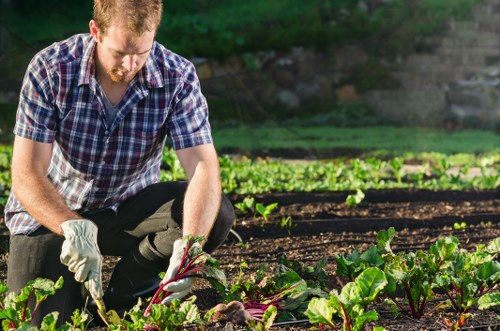
Gardener Bethnal Green: Recycling and Sustainability
As a dedicated Gardener Bethnal Green, we build an eco-friendly waste disposal area and a resilient sustainable rubbish gardening area across patios, terraces and community plots. Our approach balances practical on-site waste separation with borough-level systems so that soil, compostable waste and reusable materials stay in the circular economy. We work with neighbours and local gardeners to reduce landfill and improve soil health while keeping the look and function of Bethnal Green gardens intact.Why an eco-friendly waste disposal area matters
Creating an eco-friendly waste disposal area in a small urban garden reduces vehicle trips to the dump, supports local transfer stations and diverts garden and household waste into productive reuse. By designing tidy sustainable rubbish gardening areas, our Bethnal Green gardener teams help residents separate organics, green waste, mixed recycling and bulky items on-site so materials can be collected cleanly and processed by the borough or partner facilities.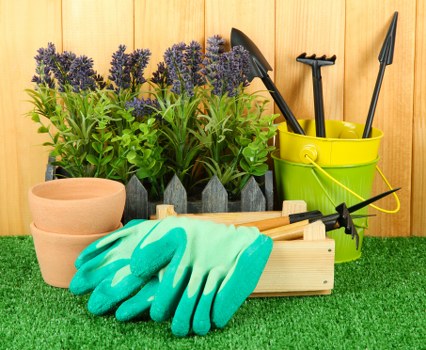
Local context: borough separation and transfer stations
The boroughs around Bethnal Green typically encourage separation of glass, paper/card, mixed recyclables and food/organic collections — a system we complement with on-site bins for compost, cardboard flattening and reusable planters. We coordinate with local transfer stations and waste hubs so that separated loads—especially garden arisings and soil—are forwarded for composting or responsible handling rather than landfill. Our plans account for regular borough collections as well as alternative haulage to nearby transfer stations when items require special processing.Targets: measurable recycling percentage goals
We set a clear recycling percentage target for all Gardener Bethnal Green projects: a minimum of 70% diversion from landfill within 18 months across site waste streams. This target covers green waste, food scraps, wood, metal and plastics used in gardening, and broken clay pots or paving tiles suitable for reuse. Hitting the target is tracked through simple bin audits and partnership reporting, and we publish progress summaries to encourage community participation.On-site systems and low-carbon logistics
Our sustainable rubbish gardening areas use layered bins: a composting bay for kitchen and green waste, a dry recycling unit for paper, cardboard and plastics, and a small reuse corner for pots and tools. To move material between gardens and transfer sites we operate low-carbon vans—electric and hybrid vans tailored for narrow streets—and cargo e-bikes for short runs. These options reduce emissions and congestion while maintaining regular collection schedules for the gardener in Bethnal Green.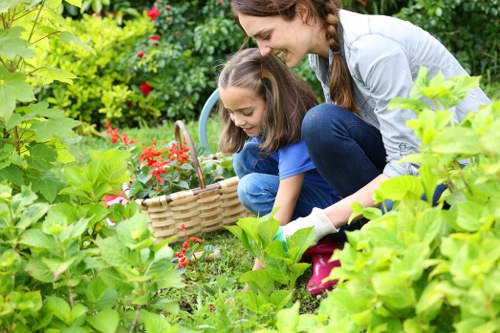 Practical recycling activities we support include:
- Composting of garden cuttings and food waste to create high-quality soil amendments;
- Cardboard and paper recycling from plant deliveries and seed packet waste;
- Separation of glass and metal from planter recycling;
- Mulch and wood recycling from prunings and old structures;
- Collecting small batteries and hazardous items for borough hazardous waste days.
Partnerships with charities and community groups
We actively build partnerships with local charities and reuse groups to extend the life of garden materials. By collaborating with community schemes and social enterprises that accept surplus soil, timber and donated tools, our Bethnal Green gardener network ensures that salvageable items get a second life and support social outcomes such as training and employment. These partnerships are central to keeping our sustainable rubbish gardening areas productive and community-focused.Our alliance strategy includes resource swaps with community gardens, contributions to local compost hubs and donating surplus planters and pots to charity refurb projects. Strong community links mean fewer items go to bulky waste streams and more materials are re-homed locally — a win for the environment and for neighbourhood resilience.
Practical rules for garden waste separation
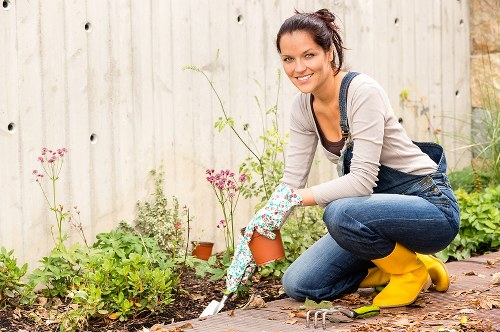
In every site we install clear signage and color-coded containers so that residents know exactly where to put green waste, compostables and recyclables. Simple rules reduce contamination: no plastics in the compost bay, metals and ceramics kept separate, and cardboard flattened. The gardener in Bethnal Green provides regular checks to maintain quality of collected recyclables ahead of transfer station processing.
Monitoring, reporting and continuous improvement
We monitor progress against our recycling percentage target and adjust logistics, van routes and on-site layouts to improve performance. Quarterly reviews capture diversion rates, contamination incidents and opportunities to increase reuse. By keeping records and sharing a summary of achievements with partners, our Gardener Bethnal Green programme stays accountable and evolves with borough waste policies.Final note: building an eco-friendly waste disposal area and a sustainable rubbish gardening area in Bethnal Green is practical, measurable and community-strengthening. With clear targets, coordination with local transfer stations, charity partnerships and low-carbon vans, our approach turns garden waste into resource and supports greener neighbourhoods.
Join the movement—supporting local gardening initiatives and following simple separation rules helps the whole borough hit sustainability goals while creating richer soil and healthier urban green spaces.