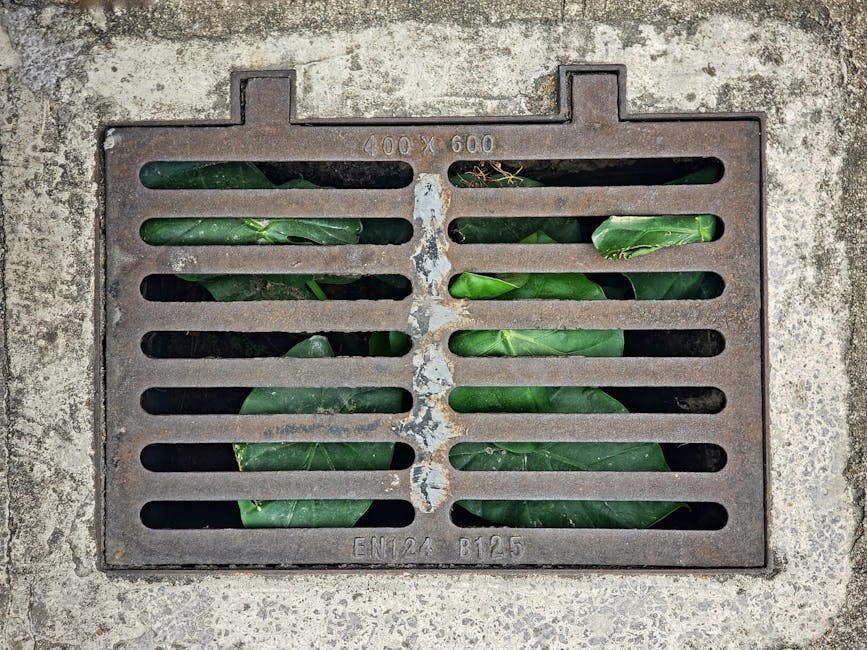
Real cost to fix patio drainage Bethnal Green gardeners

If your patio turns slick after a downpour, or you keep seeing puddles sitting by the back door long after the rain has stopped, you are not alone. In Bethnal Green, where many gardens are compact, hard surfaces are close to walls, and older layouts can be a bit awkward, drainage problems tend to show up quickly. The real cost to fix patio drainage Bethnal Green gardeners depends on what is causing the problem, how much access you have, and whether the fix is a simple surface adjustment or a more involved drainage install. This guide breaks it all down in plain English so you can make a sensible decision without guessing.
We will look at likely costs, the main repair methods, when a small fix is enough, and when it is smarter to invest in a proper long-term solution. You will also find a practical checklist, a comparison table, and the kind of detail that helps you avoid paying twice. Let's face it, drainage work sounds simple until the water starts finding every weak point in the garden.
Why real patio drainage costs matter in Bethnal Green
Patio drainage is one of those jobs that feels minor until the symptoms start stacking up. A small dip in the paving can become a puddle. A puddle can turn into algae. Algae becomes a slipping risk. Then the water begins working its way towards the house, which is where the real trouble starts. In terraces, mews homes, and tighter urban gardens around Bethnal Green, there is often less room for gravity to do the job naturally, so small mistakes show up fast.
Cost matters because patio drainage is not a single job with a single price. It might mean cleaning blocked channels, re-levelling a few slabs, improving falls, adding a French drain, fitting an ACO-style channel, or reworking part of the patio build-up. A cheap repair can be the right answer if the issue is localised. But if the patio keeps flooding after every heavy spell, a cheap patch is often just a delay tactic. And to be fair, nobody wants to pay for the same issue twice.
There is also the wider garden to think about. Poor drainage can affect planting beds, lawns, decking edges, and paths. If you are already planning broader improvements, it may make sense to look at landscaping or a longer-term maintenance approach through garden maintenance, especially if the drainage issue is tied to how the whole space was shaped in the first place.
In practice, people usually want three things: a dry patio, a fair price, and a fix that lasts. That is a reasonable ask. The best drainage work does not feel flashy. It just quietly stops water where it should, and you stop thinking about it every time the sky opens.
How real patio drainage costs fix patio drainage Bethnal Green gardeners works
The cost of fixing patio drainage is driven by diagnosis first, then by labour and materials. Most decent gardeners or landscapers will begin with a site check: where is water gathering, where does it move, what is the patio fall like, and what sits around it? Sometimes the issue is obvious. A blocked gully. Soil washed against the edge. A broken joint line. Other times the problem is a little sneaky, like a patio laid dead level when it should have a gentle fall away from the property.
Here is the basic chain of events. Water lands on the patio. It should move away along a fall, through joints or channels, and into a suitable drainage route. If the surface is flat, compacted with debris, or built with poor edge detail, the water has nowhere sensible to go. Then it sits. The repair method depends on whether the fix is at the surface, below the surface, or both.
For a minor issue, a gardener may only need to lift and relay a small section, clean drainage points, or adjust the gradient around a trouble spot. For a deeper issue, it may require excavation, new sub-base work, improved channels, soakaway-style drainage, or careful regrading. The more the existing patio has to be disturbed, the more the cost rises. Simple enough in theory. In real life, access to the garden, the type of paving, and how much of the patio you want preserved can make the job much more involved.
If you are comparing providers, the useful question is not "what is the cheapest fix?" but "what will solve the actual cause?" That distinction saves money in the long run, especially in compact London gardens where drainage shortcuts are exposed pretty quickly.
Key benefits and practical advantages
Fixing patio drainage is not just about removing puddles. A proper repair gives you a more usable garden, reduces wear on paving, and lowers the chance of damp creeping towards walls, thresholds, or adjacent structures. In a damp week, you can really notice the difference. The patio feels safer, cleaner, and less like a place you have to dodge.
- Less slipping and staining: standing water encourages moss and algae.
- Longer patio lifespan: water sitting under or between slabs can loosen joints and damage bedding layers.
- Better garden usability: you can sit out, move furniture, and use the space after rain without tiptoeing around wet patches.
- Cleaner finishes: good drainage helps keep the patio looking sharper for longer.
- Reduced knock-on problems: nearby lawn edges, planting beds, and decking joins are less likely to suffer from waterlogging.
There is also a very practical benefit that people sometimes underestimate: maintenance becomes easier. Once water flows properly, you spend less time battling slick film, weed growth in soggy joints, and the general mucky look that builds up around poorly drained hard landscaping. If the area around the patio is already overgrown or cluttered, a tidy-up through garden clearance can make the drainage problem easier to diagnose and cheaper to solve.
Put simply, good drainage is one of those invisible upgrades that improves the whole feel of the space. You may not notice it on a dry day. You will definitely notice it after rain.
Who this is for and when it makes sense
This kind of work makes sense if your patio regularly pools water, if the paving feels uneven, or if the water appears to sit against the house rather than moving away from it. It is also worth considering if you have just inherited a garden, moved into a property with an older patio, or noticed that recent repairs have not actually solved the underlying issue. That happens more than people think.
Homeowners in Bethnal Green often face a few common scenarios:
- A small rear patio behind a terrace where runoff has nowhere to escape.
- An older paved area that has settled over time and now holds water in the middle.
- A garden where soil, planters, or edging have blocked the natural flow line.
- A newly fitted patio that was laid neatly but without enough fall or drainage planning.
If you are already upgrading other parts of the garden, drainage should sit in the same conversation as the rest of the work. For example, if you are thinking about new timber features, the drainage line matters around decking services as well. Water that is ignored now has a habit of becoming tomorrow's headache. Truth be told, that is how a lot of "small" garden problems become expensive ones.
It makes sense to get advice when you are still deciding whether to patch, regrade, or rebuild part of the patio. Once slabs have shifted badly or the bedding has failed, the cheapest option is rarely the cheapest overall.
Step-by-step guidance
If you are trying to understand what a sensible drainage repair looks like, this simple sequence helps.
- Inspect the water pattern. After rain, note exactly where water sits and how long it stays there. Small observations help a lot. A puddle at the back edge points to a different cause than water pooling by the doorway.
- Check the surface falls. Patio surfaces should gently direct water away from the property. If the fall is too flat, the fix may need re-levelling rather than just cleaning a drain.
- Look for blockages. Leaves, grit, soil, and moss can block channels or prevent water from entering them. This is common near borders and corners.
- Decide whether the issue is surface-level or structural. If the problem is on top, the cost is usually lower. If it is in the sub-base or drainage route, the work becomes more involved.
- Choose the right method. Options may include channel drains, regrading, reinstating joints, local slab lifting, or full drainage redesign.
- Ask for a scope of work. A proper quote should explain what will be done, what materials are included, and whether waste removal or reinstatement is covered.
- Plan for aftercare. A repaired patio still needs occasional cleaning and inspection, especially after leaf fall or a heavy winter period.
If the job affects broader garden shape, a good contractor may suggest bringing the patio work together with wider ground planning under landscape gardening. That can sound like a bigger spend, but sometimes it is the simplest way to avoid piecemeal fixes that never quite line up.
One small but useful rule: if nobody can clearly explain why the water is pooling, be cautious. A trustworthy gardener should be able to describe the cause in normal language, not just list products and hope for the best.
Expert tips for better results
In our experience, the best drainage repairs start with restraint. Not every problem needs a full rebuild. Sometimes a careful local fix is smarter, cleaner, and more affordable. But the judgement has to be honest. A patch should be used because it is genuinely appropriate, not because it is the easiest thing to quote.
Tip one: watch the patio in actual wet weather if you can. A dry inspection is useful, but a five-minute rain shower tells you far more about water movement than a sunny afternoon ever will.
Tip two: do not ignore the edges. A lot of drainage failures begin where the patio meets a wall, fence, or planting bed. Tiny edge details matter. A bit of trapped soil, a poorly sealed joint, or a raised border can change the flow completely.
Tip three: think about maintenance, not just installation. Even a good drain can clog if the area is never cleared. If the patio sits under trees or hedging, occasional upkeep through hedge trimming or careful pruning may reduce leaf build-up and keep drainage working as intended.
Tip four: ask what happens to excavated waste. If the job involves lifting old materials, disposal and recycling should be discussed upfront. A responsible contractor should be clear about waste handling and sustainability, not vague and hand-wavy.
Tip five: if the patio borders a lawn or softer planting area, check the transition levels. A good drainage solution should not simply move water into a worse problem elsewhere. It sounds obvious, yet that mistake still happens. More often than it should, honestly.
Common mistakes to avoid
Most drainage headaches come from a handful of avoidable mistakes. The first is assuming that visible water is the whole problem. In reality, the surface puddle is often just the symptom. The cause may be compacted sub-base, incorrect falls, or blocked runoff.
The second mistake is over-correcting. If a patio is regraded too aggressively, water can end up running towards the house or pooling at the lowest edge. Small adjustments are often better than dramatic ones. A well-set fall is subtle; you should not need to feel it underfoot.
The third mistake is choosing a fix based only on upfront price. A low quote can be perfectly fair, but only if the scope is clear. If one contractor is pricing a simple clean-out and another is pricing a proper drainage channel installation, those are not the same job at all. Comparing them like-for-like is where people get caught out.
The fourth mistake is ignoring what surrounds the patio. Overgrown borders, poor edge restraint, and nearby hard surfaces can all contribute to the problem. If the wider garden needs attention, pairing drainage repair with services overview planning can help you see the whole picture rather than just the puddle in front of you.
And one more, because it matters: do not let a surface-only tidy-up disguise a sub-surface failure. If water has already undermined the bedding or shifted slabs, the problem is deeper than a rinse and a prayer.
Tools, resources and recommendations
You do not need a van full of specialist kit to understand drainage, but a few basics help when you are assessing the job. A spirit level is useful for checking whether the patio slopes correctly. A simple broom and hose can reveal where water begins to sit. A torch helps if the problem area is shaded or near a step, because small dips are easier to spot in angled light. Early evening often shows the unevenness better than midday glare.
For a homeowner, the most useful resources are not gadgets. They are clear questions. Ask what is causing the water to stop moving, what the proposed fall is, whether any slabs need lifting, and whether the repair will change the appearance of the patio. Those questions usually separate a proper plan from a vague one.
If you are working out budget, it helps to review the company's public approach to pricing before requesting a site visit. A page like pricing and quotes can help you understand how the business explains estimates, revisions, and scope. That transparency matters, especially when the job might change after inspection.
It is also sensible to choose a team that can explain safety, insurance, and site management clearly. Drainage repairs often involve lifting materials, working on slippery surfaces, and moving waste through narrow side access. That is normal, but it should still be managed properly.
Law, compliance, standards, or best practice
For most domestic patio drainage repairs, the main issue is not legal complexity but good practice. Still, a professional approach should respect property boundaries, avoid directing water where it could cause nuisance, and keep the work safe and tidy. In London gardens, especially where homes are close together, that caution is not optional. It is just common sense.
If the repair touches a boundary wall, shared access, or a surface that affects runoff towards neighbouring property, sensible contractors will think carefully about levels and discharge paths. Where a project becomes more extensive, it may also need to be considered alongside broader garden design and landscaping choices, because surface water cannot be treated as an afterthought.
Good practice also includes safe working methods. Slippery paving, lifting heavy slabs, and excavation all carry risk. A contractor should have a clear approach to safety, insurance, and clean working. If you want to understand how a business handles those issues, pages such as insurance and safety and health and safety policy are a sensible place to check the basics.
Another point worth mentioning: if garden waste is removed as part of the job, responsible handling matters. It is not glamorous, but it is part of professional practice. Reuse, recycling, and responsible disposal are all signs that the company is thinking beyond the immediate job.
Options, methods, or comparison table
The right drainage method depends on the cause. This table gives a practical comparison of the most common approaches, with the usual cost logic behind each one. Exact prices vary by access, materials, labour time, and how much of the patio must be disturbed, so treat this as a decision guide rather than a fixed price list.
| Method | Best for | Typical cost logic | Pros | Limitations |
|---|---|---|---|---|
| Cleaning and clearing drainage points | Blocked outlets, debris, leaf buildup | Usually the lowest-cost option because labour and materials are limited | Quick, tidy, minimal disruption | Does not solve level or design problems |
| Local slab lifting and re-levelling | Small puddles caused by settlement or poor falls | Moderate cost depending on how many slabs are lifted and reset | Targets the actual low spot | Can be tricky if the whole patio has moved unevenly |
| Channel drain installation | Water running toward the house or across a hard surface | Higher than a simple clean-up because channels, excavation, and reinstatement are involved | Effective and predictable when sized properly | Needs careful siting and finishing |
| Regrading and sub-base correction | Persistent drainage failure or a patio laid with the wrong pitch | Often the highest-cost option short of a rebuild | Addresses the root issue | More disruption and longer time on site |
If you are still deciding between repair and wider redesign, it can help to compare it alongside your other garden priorities. A drainage fix can sit neatly within a broader plan for landscaping, especially if the patio levels are being changed anyway. That way, the money is spent once, and hopefully spent well.
Case study or real-world example
A typical Bethnal Green scenario might look like this. A small rear patio sits just off a kitchen extension. After rain, a shallow puddle forms near the threshold and lingers for hours. The owners have been living with it for months, mopping the area after wet weather and avoiding the patio furniture because the paving feels a bit grimey and cold underfoot.
After inspection, the issue turns out to be a combination of poor fall and blocked edge drainage. One section of paving has settled slightly, while the border has collected soil and plant debris. The right response is not to rip up the whole garden. Instead, a targeted repair would likely involve clearing the drainage line, lifting the affected slabs, re-setting them to a better fall, and checking the finish at the doorway.
That kind of job is often far more economical than a full rebuild, but it still has a meaningful impact. The patio dries quicker, the threshold stays cleaner, and the owners stop worrying every time the weather turns. In a dense urban setting, that difference matters. A lot.
Now imagine the same patio left alone for another year. Water keeps sitting there, moss spreads, and the bedding begins to fail in places. The repair cost would likely rise because the scope would be bigger. That is why timing matters. Fixing the underlying issue early is usually kinder to both the patio and the budget.
Practical checklist
Use this checklist before asking for a quote or agreeing to work:
- Identify exactly where water pools after rain.
- Check whether the patio falls away from the house or sits flat.
- Look for blocked channels, outlets, or edge buildup.
- Note any lifted slabs, rocking sections, or visible settlement.
- Ask whether the fix is surface cleaning, re-levelling, or a deeper drainage change.
- Confirm what waste removal and reinstatement are included.
- Ask how the repair will affect the final look of the patio.
- Check whether surrounding borders, decking, or lawn edges also need attention.
- Request a clear written scope rather than a vague estimate.
- Think about future maintenance so the same problem does not creep back in.
If you are the sort of person who likes to sort the practical stuff early, this checklist will save time. It also helps you compare quotes properly, which is half the battle. The other half is resisting the urge to choose the cheapest number before you know what it actually includes. Humans do that. All the time.
Get a free quote today and see how much you can save.
Conclusion
The real cost to fix patio drainage Bethnal Green gardeners depends on the cause, the access, the materials, and how much of the patio needs to be opened up. Small blockage and cleaning jobs can be relatively modest, while regrading, channel drains, and sub-base corrections sit higher because they solve deeper problems. The smartest spend is usually the one that fixes the root cause without overdoing the scope.
If your patio is regularly holding water, the next sensible step is to get a proper assessment rather than guessing. A good gardener or landscaper will explain what is happening in straightforward language, outline the options, and help you balance cost against longevity. That kind of clarity is worth its weight in paving slabs. And once the water starts moving properly, the whole garden just feels better. Quieter, cleaner, easier.
There is a lot to be said for a patio that simply does its job and lets you get on with life.
Frequently Asked Questions
How much does it usually cost to fix patio drainage in Bethnal Green?
It depends on the cause. A simple clear-out or minor adjustment may be relatively low-cost, while regrading, channel drains, or deeper structural repairs will cost more because they take longer and involve more materials.
What is the cheapest way to improve patio drainage?
The cheapest fix is usually cleaning blocked drainage points or clearing soil and debris from the edges. That said, if the patio is laid badly, a cheap clean-up will not solve the real issue for long.
How do I know if my patio needs re-levelling?
If water consistently sits in the same place, or if you can see a dip or rocking slab, the patio may need re-levelling. A small spirit-level check can help, but an on-site assessment is better.
Can a gardener fix patio drainage without lifting the whole patio?
Yes, sometimes. If the problem is localised, a gardener may only need to lift a section, adjust the bedding, or improve the drainage route. If the falls are wrong across the whole area, more work may be needed.
How long does a patio drainage repair take?
Minor work can be completed quickly, sometimes in a day. Larger repairs that involve excavation, re-laying slabs, or installing drains may take longer depending on access and drying or setting time.
Will fixing drainage stop algae and moss?
It often helps a lot. Standing water encourages algae and moss, so better drainage usually makes the patio easier to keep clean. You may still need regular maintenance, though.
Is a channel drain always the best solution?
No. Channel drains are useful where water needs to be collected and directed away, but they are not the answer to every problem. Sometimes the better fix is improving the patio fall or addressing settlement.
What should a proper quote include?
A useful quote should explain the issue, the proposed repair, materials, labour, waste removal, and reinstatement. If it is vague, ask for more detail before agreeing.
Can poor patio drainage damage the house?
It can contribute to damp, stained thresholds, or water sitting too close to the property. The risk depends on the layout, but it is sensible to deal with standing water early rather than ignore it.
Do I need landscaping work as well as drainage repair?
Sometimes yes. If the garden levels, borders, or hard landscaping are contributing to the problem, a wider landscaping plan may give a better long-term result than a one-off patch.
How often should patio drainage be checked?
At least after heavy rain, and especially in autumn when leaves and grit can block channels. A quick seasonal check is usually enough to catch small problems before they get expensive.
How can I make sure I am not overpaying?
Compare like-for-like quotes, ask what cause is being fixed, and make sure the scope is clear. The lowest quote is not always the best value if it only treats the symptom.